Chamomile AI
Chamomile AI

RAG by a Thousand Metrics

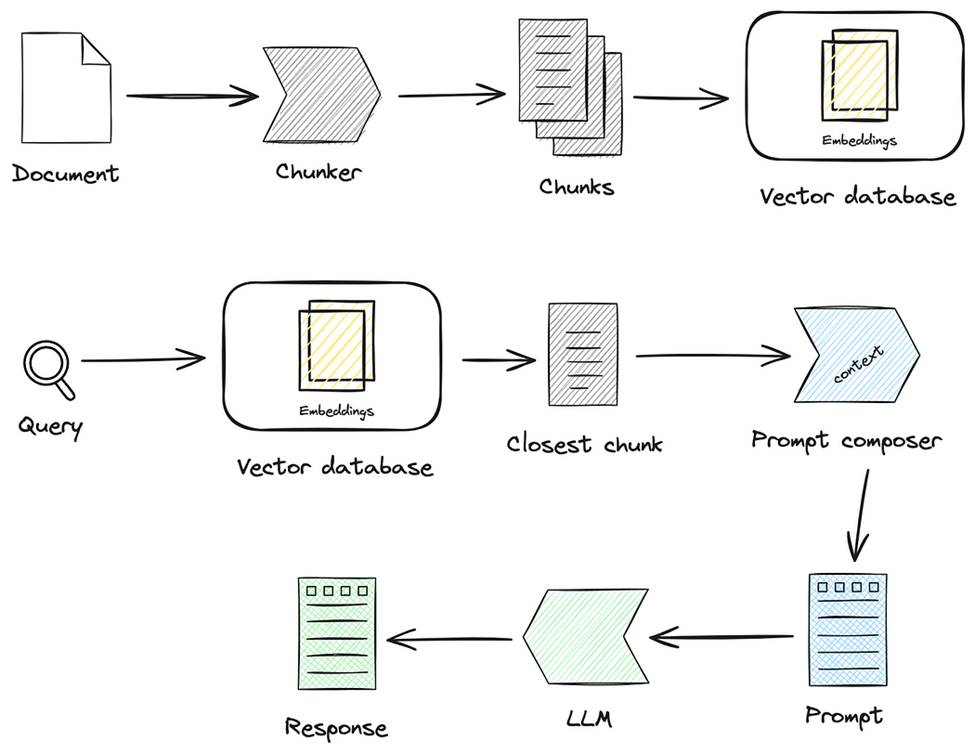
Retrieval-Augmented Generation (RAG) pipelines pair large language models (LLMs) with an external retrieval component. By fetching domain‐relevant chunks of text, these systems can provide more up-to-date or domain-specific answers than models relying solely on static training. Yet, they also add complexities: the system depends on both retrieval quality and generation fidelity.

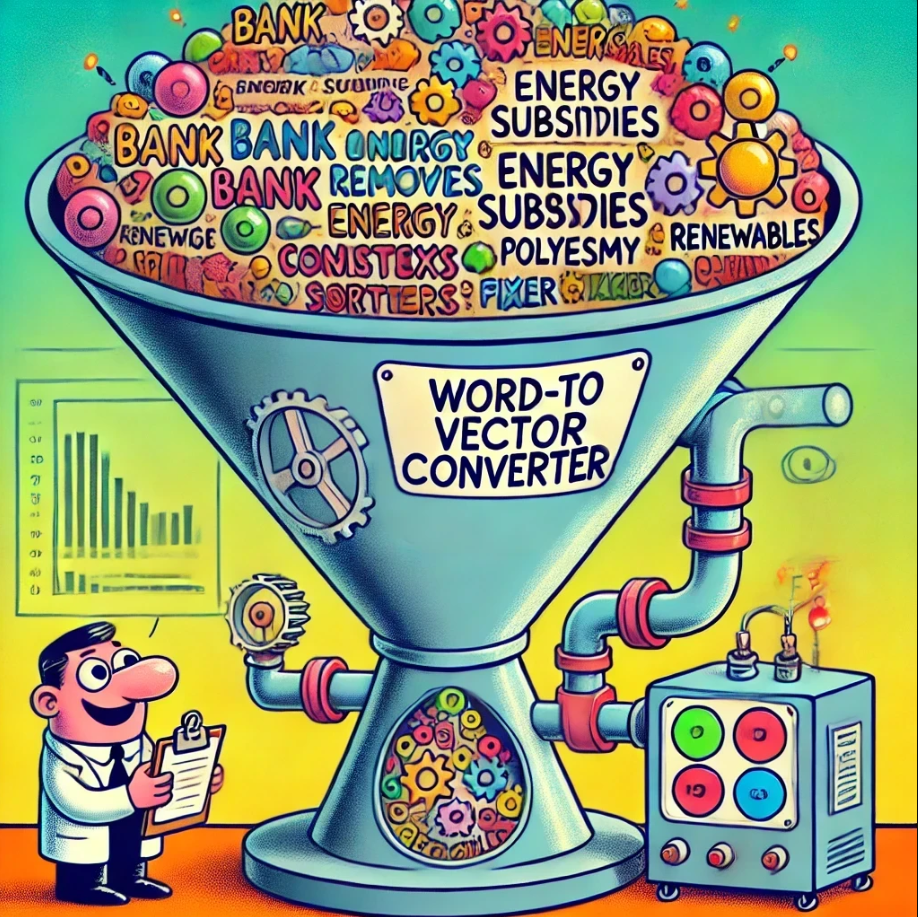
Topic Modeling: A Comparative Overview of BERTopic, LDA, and Beyond

Hashtags were a defining innovation of Web 2.0; what started as a user-invented hack on Twitter in 2007 has become entrenched as an organizing tool in platforms like Instagram and TikTok, driving community curation and content discovery. This was “folksonomy” in action: bottom-up labeling that adapts faster than top-down taxonomies ever could. But with #AI, can we reinvent the concept of taxonomy to combine the “evolveability” of a bottom-up approach with the “systemizability” of a top-down approach? That is the promise of topic modeling.

Effective RAG evaluation: integrated metrics are all you need

Retrieval-Augmented Generation (RAG) pipelines have revolutionised how we integrate custom data with large language models (LLMs), unlocking new possibilities in AI applications. However, evaluating the effectiveness of these pipelines has presented a major challenge for most real-world applications. In this post, we’ll look deeper into the pain points of RAG pipeline evaluation and explore strategies to overcome them.

Reliable RAG: preprocessing is all you need

Preprocessing content before vector DB ingest improves information retrieval performance of Retrieval Augmented Generation (RAG) with favourable unit economics. Let's take a look at propositional chunking, an effective semantic preprocessing technique that is practical to implement.